- Creators
- Monetization
- Influencer Marketing
Amazon Influencer Program: Requirements, Commissions and How to Apply
What the Amazon Influencer Program requires, its standard rates of up to 10% and lower onsite rates, when Amazon pays and how to apply, checked October 2026.
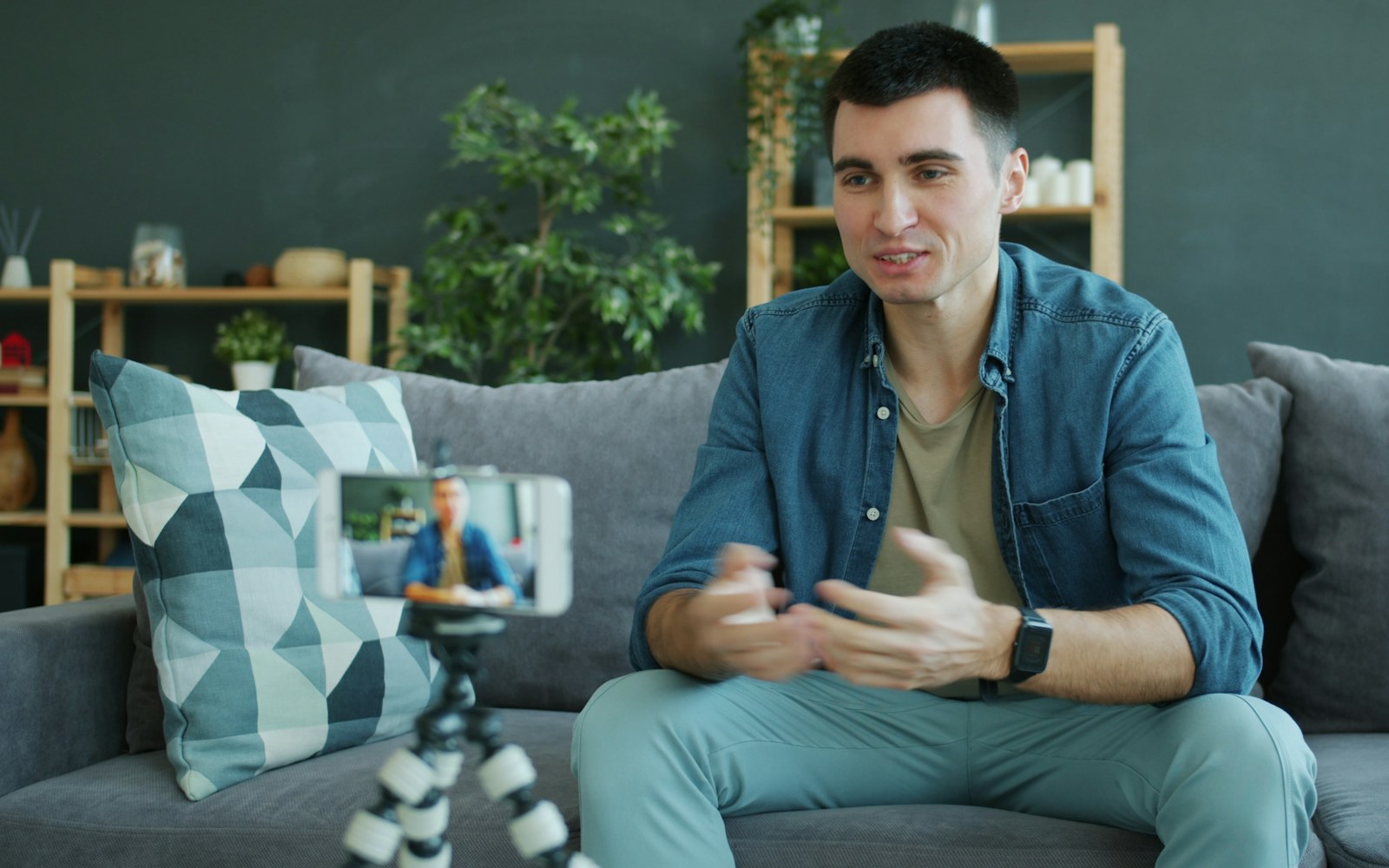
The Amazon Influencer Program is an extension of Amazon Associates for social media creators. You apply with a YouTube, Instagram, TikTok, Pinterest or Facebook account; Amazon weighs content quality, engagement rate and follower count but publishes no minimum. Approved creators get a storefront at amazon.com/shop/yourhandle and earn standard commissions of up to 10% by category on traffic they send, plus lower onsite rates when Amazon shows their videos on product pages. Amazon pays about 60 days after month end.
This guide is for creators who recommend products on social media and want to know what Amazon’s program requires, what it pays and how to apply. It also helps brands understand how creators with storefronts earn when a deal includes Amazon links.
The facts come from Amazon’s own pages: the Operating Agreement (updated October 15, 2025), the Program Policies (updated April 14, 2026), both commission income statements, Associates Central help pages and Amazon’s newsroom explainer from September 2026, plus the FTC’s endorsement guidance, all checked on October 16, 2026. Amazon changes rates with little notice, so confirm figures in Associates Central before planning around them.
What is the Amazon Influencer Program?
The Amazon Influencer Program is an extension of Amazon Associates, Amazon’s affiliate program, built for people with social media audiences. Amazon’s help pages call it “an extension to the existing online Associates program for qualifying social media influencers”. You get the same reporting and account tools as an Associate, plus a page on Amazon with a vanity URL, amazon.com/shop/yourhandle, that you can say out loud in a video or put in a bio.
That page is your storefront: a curated page where you publish Idea Lists (themed product lists), shoppable photos and shoppable videos. When a shopper buys after clicking through your links or storefront, you earn a commission on qualifying purchases, as an Associate would.
Amazon’s newsroom says the program launched in 2017 and, as of September 2026, ran in more than 20 countries. The Program Policies call it “a country specific program”, so you register separately for each marketplace.
How is it different from Amazon Associates?
Both programs sit under the same Operating Agreement, pay from the same standard commission table and report in the same Associates Central dashboard. The differences are who qualifies, where the links live and which extra tools you get.
| Amazon Associates | Amazon Influencer Program | |
|---|---|---|
| Who it is for | Owners of websites, apps or social accounts with original content | Social media creators who meet Amazon’s thresholds |
| How you apply | Associates application, reviewed after three qualifying sales within 180 days | Connect a YouTube, Instagram, TikTok, Pinterest or Facebook account; Amazon reviews it |
| Storefront and vanity URL | Not historically (see the April 2026 note below) | Yes: amazon.com/shop/yourhandle with Idea Lists, photos and videos |
| Onsite earnings | Not by default | Yes, once your videos are approved |
| Amazon Live | No | Yes, through the Amazon Live Creator app |
| Creator Connections | Open to associates and influencers, by tier | Open to associates and influencers, by tier |
| Standard commission rates | Same table | Same table for traffic you send |
| Payment schedule | About 60 days after month end | Same |
The line is blurring: Amazon’s change log for April 14, 2026 says completing registration now “gives access to a Storefront and a Unique Creator Link, not only Amazon Influencer Program participants”. You can also be in both: Amazon’s help page says an existing Associate registers with the same account and Store ID by clicking Join Now on the Influencer landing page.
What are the requirements for the Amazon Influencer Program?
Amazon has never published a follower minimum. Its September 2026 explainer says: “Amazon evaluates influencer program applicants based on several factors, including content quality, engagement rate, and follower count. Creators across any content category can participate.” The Program Policies say an Influencer “must meet Amazon qualitative and quantitative thresholds, complete the registration process, and comply with the applicable provisions of the Agreement”, without stating the thresholds.
What is documented:
- A qualifying account on one of five platforms: YouTube, Instagram, TikTok, Pinterest or Facebook.
- Permission to read your social data. Registration requires “granting requests to access data regarding your social media presences”.
- An Amazon account in a country where the program runs.
- Original content. The April 2026 update added a definition requiring original content to contain commentary, analysis or transformation that adds value.
Follower figures quoted elsewhere (“1,000”, “5,000”) are third-party guesses; none appears on an Amazon page we could find. Our guide to nano, micro and macro influencer tiers explains why follower counts are a weak signal, and our engagement rate guide covers the metric Amazon says it weighs.
How do you apply, and how long does approval take?
- Go to amazon.com/influencers and click Join Now. Sign in with your Amazon account; if an Associates account is linked to it, Amazon offers to reuse that Store ID.
- Choose the social account you want evaluated and grant Amazon access to it.
- Wait for the decision. Amazon’s public pages don’t state a review time. If you are turned down, Amazon says: “Those who don’t qualify initially are encouraged to reapply in the future, as eligibility requirements may evolve over time.”
- Build the storefront: vanity URL, photo, bio, Idea Lists, then shoppable photos and videos.
Two related time limits are documented. Video moderation “typically takes 2 business days”. For the plain Associates application, you have 180 days to refer three qualifying sales, after which Amazon reviews it “within a day or two”; miss that and the application is withdrawn, though you can reapply.
How do you earn with a storefront, Idea Lists and shoppable videos?
Amazon’s help pages describe four content types on the storefront: Idea Lists, shoppable photos, shoppable videos and livestreams.
Links and the 24-hour session
A Special Link is any Amazon link carrying your tag, including your storefront URL and product links made with SiteStripe or Product Links. The Program Policies define a session as starting when a customer clicks your link and ending 24 hours later, when they order, or when they click someone else’s affiliate link, whichever comes first. You earn on products added to the cart during that session if the order completes within 89 days and, since April 14, 2026, only if the product ships and is paid for within 180 days. You are not limited to the product you recommended: Amazon’s explainer says a shopper who buys additional items can earn you commission on those too.
Shoppable videos and the onsite rule
Shoppable videos are product videos you upload through Creator Hub or the Amazon app. They appear on your storefront and, once approved, Amazon can place them on product detail pages, in search results and on the homepage. Amazon’s Video Shorts FAQ sets the mechanics:
- Files must be .mp4 or .mov and under 5GB, with a title, a thumbnail and up to 10 tagged products that appear on screen.
- Every video is reviewed against the content guidelines, typically within two business days. You cannot mention prices or ask viewers to follow, subscribe, comment or “view the description”.
- Rejected videos show a reason under Manage; you edit and resubmit.
- Videos uploaded to Amazon.com appear only on Amazon.com.
- Amazon’s own pages disagree on when onsite earnings start. The Video Shorts FAQ and the Creator Hub page say you can sign up for onsite commissions once three videos pass moderation; an older Associates help page on uploading videos says ten; and the Earning Onsite Commissions help page says Influencer Program members are assigned an onsite Store ID automatically. Check your own Creator Hub and Associates Central rather than planning around either number.
Livestreams run through the Amazon Live Creator app, open only to Influencer Program members, and appear at amazon.com/live.
How much does the Amazon Influencer Program pay?
Two rate tables apply, and the gap between them is the most misunderstood part of the program.
Standard commission rates for traffic you send
When a shopper arrives from your link or storefront, you earn Standard Commission Income at the rate for the product category, calculated on Qualifying Revenue: what Amazon actually receives, less shipping, taxes and similar charges. The Associates Program Standard Commission Income Statement, as published on October 16, 2026, lists these rates:
| Product category (standard table, selected rows) | Rate |
|---|---|
| Luxury Beauty, Luxury Stores Beauty, Amazon Explore | 10% |
| Digital Music, Physical Music, Handmade, Digital Videos | 5% |
| Physical Books, Kitchen, Automotive | 4.5% |
| Amazon devices (Fire, Kindle, Echo, Ring), Apparel, Watches, Jewelry, Luggage, Shoes, Handbags | 4% |
| Toys, Furniture, Home, Home Improvement, Lawn & Garden, Pets, Headphones, Beauty, Musical Instruments, Outdoors, Tools, Sports, Baby | 3% |
| PC, PC Components, DVD & Blu-Ray | 2.5% |
| Televisions, Digital Video Games | 2% |
| Amazon Fresh, Physical Video Games & Consoles, Grocery, Health & Personal Care | 1% |
| Gift Cards, Wireless Service Plans, Alcohol, restaurant delivery | 0% |
| All other categories | 4% |
The same statement lists bounties, fixed payments for sign-ups rather than purchases: $12 for a Prime free trial or paid membership, $3 for a Kindle Unlimited trial, $5 for an Audible Premium Plus trial and $15 for an Amazon Business registration, among others.
Onsite commission rates for traffic Amazon brings
Onsite Commission Income is what you earn when Amazon shows your storefront content to someone already shopping on Amazon. In Amazon’s words: “As you didn’t directly drive that customer to Amazon to shop, but influenced them to purchase once they were there, we compensate you for the purchase but at an onsite rate.” It is tracked under a second Store ID beginning with “onamz”, which needs its own payment and tax details.
The Onsite Associates Program Commission Income Statement has two tables: Table A for ordinary onsite placements and Table B for content used in Creator Ads. Onsite income covers only Direct Qualifying Purchases, meaning the same ASIN variant the shopper clicked through to (or, for video, the featured product after a minimum watch time), and it excludes bounties.
| Product category (onsite, selected rows) | Table A: onsite | Table B: Creator Ads |
|---|---|---|
| Luxury Beauty | 4% | 5% |
| Furniture, Home, Home Improvement, Lawn & Garden, Pets | 3% | 4% |
| Beauty, Musical Instruments, Business & Industrial Supplies | 2% | 3% |
| Tools | 1.75% | 2.75% |
| Health & Personal Care, Sports, Kitchen, Automotive | 1.25% | 2.25% |
| Headphones | 1% | 3% |
| Apparel, Watches, Jewelry, Luggage, Shoes, Handbags, Echo and Ring devices | 1% | 2% |
| Outdoors | 0.75% | 2.75% |
| Physical Books, Baby Products | 0.5% | 2.25% |
| Grocery | 0.5% | 2.5% |
| Fire tablets, Kindle and Fire TV devices | 0.5% | 2% |
| Toys, Amazon Fresh | 0.5% | 1.5% |
| PC, PC Components, DVD & Blu-Ray | 0.5% | 1.25% |
| Televisions, Digital Video Games | 0.5% | 1% |
| Physical Video Games & Consoles | 0.5% | 0.5% |
| All other categories | 1% | 2% |

A worked example, clearly hypothetical
Round numbers, invented for illustration: in one month 2,000 people click your links, 60 of them buy within their sessions, and the average qualifying revenue per order is $45 in the Home category at 3%. Standard income: 60 × $45 × 3% = $81. Onsite: 150 shoppers buy the Home products featured in your videos on product pages, at the same $45 and Table A’s 3%: 150 × $45 × 3% = $202.50. Total: $283.50 before returns, which Amazon removes when a refund is initiated. In Grocery the same volumes pay $27 and $33.75. Nothing here predicts your results; it shows that category and traffic source matter more than follower count.
How much do Amazon influencers actually make?
Amazon doesn’t publish averages; its explainer says only that “earnings vary from creator to creator, depending on factors like how frequently they post, how engaged their audience is, and what product categories they recommend.” We couldn’t find a dated, independent figure for typical earnings, so we don’t print one.
The direction of travel is documented. Adweek reported on May 18, 2026 that Amazon had quietly restructured the Associates program, “slashing commission rates by as much as 50%, eliminating the milestone-based bonuses that rewarded high-performing publishers, and degrading the reporting tools”, citing seven publishers and partners; the changes reached the US around March 9 and were never announced. Adweek’s sources were publishers told one by one by their account managers. The public tables above are what we found on October 16, 2026; they apply unless Amazon has given you different terms, and the Operating Agreement lets Amazon change rates on two business days’ notice.
What are Creator Connections, Creator Ads and Creator Rewards?
Amazon runs several add-ons. The descriptions are Amazon’s own; the tier thresholds sit behind a login and we couldn’t verify them.
- Creator Connections is “Amazon’s marketplace service connecting brands on Amazon with Amazon Creators.” It sits in Associates Central under the Promotion tab; you opt into campaigns. Its page lists Affiliate+, a bonus commission on qualified sales “available to Creators at the Bronze tier and above”, and Sponsored Products for Creators, payment for qualified clicks “available to Creators at the Gold tier and above”. Amazon’s explainer adds flat-rate fees for sponsored social content brands can license; price those like any sponsorship, using our guide to how much to charge for a sponsored video.
- Creator Ads (the Creator Ads Boost Program in the Policies) is by invitation: Amazon reuses your tagged social posts in its own ads on platforms such as Meta, shares your handle and Store ID with that platform, and pays Table B rates. You can opt out; the policy commits Amazon only to “commercially reasonable efforts” to stop using your performance metrics within three business days, and gives no separate deadline for the ads themselves.
- Creator Rewards “pays eligible creators a monthly bonus on top of their standard commissions when they hit certain sales targets”. The targets aren’t published.
- Bounties apply to traffic you send, never to onsite placements.
When and how does Amazon pay influencers?
Payment rules match Associates, with one extra step for onsite earnings; the table comes from Associates Central’s payment help pages.
| Question | What Amazon says |
|---|---|
| How often | Monthly, if your balance meets the threshold |
| When | About 60 days after the end of the month earned; January earnings arrive in late March |
| Methods | Direct deposit, Amazon gift certificate or check; bank transfer with IBAN and BIC if your bank is in another country |
| Minimum for direct deposit or gift certificate | $10, not adjustable; smaller balances roll into the next month |
| Minimum for check | $100, which you can raise; a $15 processing fee per check, waived if your address is outside the US and direct deposit is unavailable |
| Before any payment | Tax information on file for each Store ID, including the “onamz” onsite ID |
| When a commission is earned | After the order ships; cancelled, returned or refunded orders drop out |
| Orders that never qualify | Your own, and those placed by family, friends or close acquaintances |
| Dormant accounts | After three years without commission income, a maintenance fee of up to $10 a month against any unpaid balance |
What disclosure does Amazon require, and what does the FTC require?
Two layers apply, and meeting Amazon’s doesn’t satisfy the FTC’s.
Amazon’s contract. Section 5 of the Operating Agreement requires you to “clearly and prominently state” this sentence wherever you use Program Content: “As an Amazon Associate I earn from qualifying purchases.” Amazon’s help page adds that for social media “this statement must be associated with your account”, and that each link needs its own clear, conspicuous disclosure, such as “(paid link)”, “#ad” or “#CommissionsEarned”. The Influencer Program Policy adds that if a brand also pays you or sends free product, the FTC Endorsement Guides apply to that relationship too, “such as by using the text ‘#Ad’ or ‘#Sponsored’”.
The FTC. The FTC’s Endorsement Guides FAQ, updated after the Guides were revised in 2023, says to disclose an affiliate relationship clearly and conspicuously, suggests “I get commissions for purchases made through links in this post”, and warns that “affiliate link” alone may not be understood while “paid link” should be adequate. A disclosure only on a profile or home page isn’t enough, and “#ambassador” is “ambiguous and confusing”. Disclosures 101 adds that a video disclosure belongs in the video itself, not only the description, and should repeat during a livestream.
In practice: put the Amazon sentence in your bio, add “#ad” or “(paid link)” beside the links in each post, and say it in videos. Our guide to disclosing affiliate links and sponsorships has platform-by-platform steps. This isn’t legal advice; the FTC’s pages are the authority in the US, and rules elsewhere differ.
Why do applications get rejected, and what should you do?
Amazon doesn’t publish rejection reasons for the Influencer application. What its pages do tell you:
- The criteria are content quality, engagement rate and follower count, judged on the account you connect, so connect your most consistent, product-relevant account, not necessarily the biggest.
- Rejected is not banned. Amazon says you’re welcome to reapply “once our program requirements are met”. A closed account is different: appeals go through the Contact Us form within five business days.
- Videos fail for specific, fixable reasons: prices, calls to follow or comment, or tagged products that aren’t on screen.
- Paid traffic doesn’t count. Since April 2026, purchases by customers referred “through any paid or boosted advertisement linking to Amazon” are disqualified, with what Amazon calls “limited exceptions”, so boosting a post that carries your link will normally earn nothing.
- Copied content fails the original-content test unless you add commentary, analysis or transformation.
If you are rejected, Amazon’s own advice is the practical one: keep posting, build engagement, apply again. Meanwhile, affiliate results are useful evidence when you pitch brands; our guide to getting sponsorships as a small creator explains how.
What are the alternatives to the Amazon Influencer Program?
Other retailers run affiliate or creator programs. Listed alphabetically, one neutral clause each; we don’t rank or recommend them:
- eBay Partner Network: eBay’s affiliate program.
- LTK: an influencer-commerce platform with its own creator program.
- Walmart Affiliate Program: Walmart’s affiliate program for publishers, with published commission-rate tables.
- Walmart Creator: Walmart’s separate program for creators and influencers.
Rates and terms differ and change often; read each program’s current agreement rather than a summary.
What to do next
Before you apply, tidy the account you will connect: a consistent niche, recent posts, products visible on screen and a disclosure habit already in place, since that account is what Amazon reviews. If you plan to pitch brands, through Creator Connections or outside it, put your storefront and platform numbers into an influencer media kit so a brand sees them on one page. And to see how large consumer-niche accounts are built, our list of top Instagram influencers is a place to start, remembering that follower count is the least informative of the three things Amazon says it weighs.
Amazon pays on purchases and sign-ups, not on views. For the platform programs that pay on views and subscriptions instead, see our guides to how much TikTok pays creators and making money on Instagram.
Frequently asked questions
- How many followers do you need for the Amazon Influencer Program?
- Amazon publishes no follower minimum. Its September 2026 newsroom explainer says applicants are evaluated on “several factors, including content quality, engagement rate, and follower count”, and the Program Policies (updated April 14, 2026) refer only to unstated “qualitative and quantitative thresholds”. You need a qualifying YouTube, Instagram, TikTok, Pinterest or Facebook account, and Amazon says creators who don’t qualify at first can reapply later.
- What is the difference between Amazon Associates and the Amazon Influencer Program?
- The Influencer Program is an extension of Associates for social media creators. Both use the same Operating Agreement, standard commission table and Associates Central reporting. The Influencer Program adds a storefront with a vanity URL (amazon.com/shop/yourhandle), Idea Lists, shoppable photos and videos, Amazon Live, and onsite commissions when Amazon shows your videos on product pages. Associates applications are reviewed after three qualifying sales within 180 days; Influencer applicants connect a social account instead.
- How much commission does the Amazon Influencer Program pay?
- For traffic you send, the standard table checked on October 16, 2026 pays 10% on Luxury Beauty, 4.5% on Physical Books, Kitchen and Automotive, 3% on Home, Toys and Beauty, 1% on Grocery and Health & Personal Care, 0% on gift cards and 4% on all other categories. Onsite placements pay a separate, lower table: 4% on Luxury Beauty, 3% on Home, 1.25% on Kitchen, 0.5% on Books and Toys, and 1% on all other categories.
- What are onsite commissions on Amazon?
- Onsite commissions are what you earn when Amazon places your shoppable videos, photos or Idea Lists in front of shoppers already on Amazon, for example on product detail pages. Amazon’s own pages disagree on when they start: the Video Shorts FAQ and Creator Hub page say three approved videos, an older help page says ten. Amazon tracks them under a second Store ID beginning with “onamz”, which needs its own tax and payment details, and since April 14, 2026 pays only on the same ASIN variant the shopper clicked.
- When does Amazon pay influencers?
- Monthly, about 60 days after the end of the month in which the commission was earned, so January earnings arrive in late March. The minimum is $10 for direct deposit or an Amazon gift certificate and $100 for a check, which also carries a $15 fee inside the US. Amazon must have your tax information for each Store ID, and a commission is only earned after the order ships.
- Do Amazon influencers have to disclose affiliate links?
- Yes, twice over. The Operating Agreement requires the sentence “As an Amazon Associate I earn from qualifying purchases” to appear clearly and prominently, associated with your account on social media, and Amazon asks for a link-level disclosure such as “(paid link)” or “#ad”. Separately, the FTC’s Endorsement Guides, revised in 2023, require a clear and conspicuous disclosure in the post or video itself; a note only on a profile page isn’t enough.
From the lists
- YouTube · AI tools
AI Tool Reviewers on YouTube Worth Following in 2026
21 YouTube creators who test AI tools on camera, show the real output and say when something doesn’t work. Each entry says why, with a video to start with.
21 creators · Reviewed
Read the list - YouTube · Shopify and ecommerce
Shopify Creators Who Teach Running a Real Store
21 creators who teach Shopify from the operator’s side: store setup, ads with real numbers, discounts, wholesale and theme code. No get-rich-quick pitches.
21 creators · Reviewed
Read the list
Keep reading
- How Much Does TikTok Pay Creators in 2026? Creator Rewards ExplainedTikTok has no per-view rate. Creator Rewards pays per 1,000 qualified views on videos over a minute, needs 10,000 followers and 100,000 views; payouts from $10.Read
- How to Make Money on Instagram in 2026: Requirements and 8 WaysInstagram’s 2026 rules: 10,000 followers for Subscriptions, 500 for Gifts, invite-only Bonuses, no Reels ad share, and brand deals with no follower minimum.Read
- What Is UGC? How Creators Get Paid and How Brands Hire Them (2026)What UGC content is, why UGC creators don’t need followers, how they’re paid for assets, usage rights and ad permissions, and the disclosure rules that apply.Read
- How Much Does YouTube Pay Per 1,000 Views in 2026?YouTube has no fixed rate per 1,000 views. How RPM and CPM work, the 55% and 45% revenue shares, why Shorts pay less, and how to estimate your own earnings.Read
Written by Joanna Finch, editor of Topfluencers. Spot a mistake? Email corrections@topfluencers.co and we’ll fix it within 48 hours.