- YouTube
- Algorithm
- Creators
How Does the YouTube Algorithm Work in 2026? What YouTube Says
How YouTube’s systems rank videos on Home, Up Next, Search and Shorts in 2026, built only from YouTube’s own statements, plus the myths it has answered.
YouTube doesn’t have one algorithm. Separate systems decide what appears on Home, in Up Next, in Search, in the Shorts feed and in notifications, all aimed at what YouTube calls long-term viewer satisfaction. They learn from over 80 billion signals, from clicks and watch time to likes, dislikes, “Not interested” feedback and satisfaction surveys. YouTube says upload time, tags and posting frequency aren’t known to drive long-term views, and Shorts can’t hurt your long-form videos.
Most of what’s written about the YouTube algorithm is guesswork: one channel’s experience turned into a rule. Meanwhile YouTube itself has said a great deal, in its Help Center, on its How YouTube Works site, on its official blog and in TeamYouTube posts, and much of it contradicts the popular advice.
This guide is for creators deciding what to make and when to post, and for marketers trying to understand why a creator’s views rose or fell. It covers what YouTube’s systems optimize for, how each surface and Shorts rank videos, how new channels get found, the myths YouTube has answered, what you control, and which Studio metrics to watch.
Every claim here comes from YouTube’s own statements, or from news reports of what YouTube staff said, with their dates. Where YouTube hasn’t said something, we say so rather than fill the gap with theory.
Is there one YouTube algorithm?
No. The YouTube algorithm is shorthand for several recommendation and ranking systems, one for each place videos appear. YouTube’s Help Center page How YouTube recommendations work lists the homepage, Up Next, the Shorts player, destination pages such as Music, and channel pages. Search has its own ranking system on top of those.
Each one leans on different signals. YouTube says it “uses the video you’re currently watching as the main signal when suggesting a video to play next”, while for the homepage it “primarily relies on your watch history”. Across all of them, the same Help page says the system is “learning every day from over 80 billion pieces of information we call signals.”
Recommendations matter more than most creators assume. In a September 2021 post, On YouTube’s recommendation system, YouTube’s official blog said recommendations “drive a significant amount of the overall viewership on YouTube, even more than channel subscriptions or search.”
The most useful sentence YouTube has published on the subject is in its performance FAQ: “Our recommendation system doesn’t promote videos to your audience but rather finds videos for your audience when they visit YouTube.” The system isn’t deciding whether your channel deserves reach. Each time a viewer opens the app, it’s choosing among every video that viewer might want to watch, and yours is one of them.
What does the YouTube algorithm optimize for?
YouTube’s stated goal today is viewer satisfaction, not raw views or watch time. Its performance FAQ says the search and discovery system exists to help viewers “find the videos they’re most likely to watch and maximize long-term viewer satisfaction.” It got there in stages, according to the 2021 blog post:
| Year | What YouTube changed | Why, in YouTube’s words |
|---|---|---|
| 2008 | First recommendation system ranked videos by popularity, on one big “Trending” page | Early YouTube showed everyone the same popular videos |
| 2011 | Learned that clicks alone were misleading | “Clicking on a video doesn’t mean you actually watched it” |
| 2012 | Added watch time as a signal | Views dropped 20% immediately, but YouTube judged it delivered “more value to viewers” |
| By 2021 | Added “valued watchtime” measured by surveys | “We don’t want viewers regretting the videos they spend time watching” |
| Now | Satisfaction surveys listed among the primary signals in the Help Center | They help “understand satisfaction, not just watch time” |
Valued watch time is YouTube’s name for time spent on videos that viewers rate highly. YouTube asks some viewers to rate a video from one to five stars, counts only four- and five-star ratings, and trains a model to predict how everyone else would have answered. In other words, attention alone isn’t the target: if viewers watch a video and then rate it poorly, the system learns that too.
There’s also a quality layer. YouTube’s How YouTube Works site says it weighs “the reputation and the quality of a channel to determine how, when, and to whom the content can be surfaced.” The 2021 post adds that any video classified as borderline, meaning close to breaking the Community Guidelines, “is demoted in recommendations.”
How does each part of YouTube decide what to show?
Here is what YouTube has said about each surface, as of October 2026.
| Surface | What YouTube says it uses | Source |
|---|---|---|
| Home | How well a video “interested and satisfied similar viewers”; the viewer’s watch and search history; how many times the video has already been shown. Mixes subscriptions, videos watched by similar viewers and new videos | Performance FAQ |
| Up Next / Suggested | The video being watched is the main signal; videos “often watched together”; personalised by watch history | How YouTube recommendations work; Search and discovery tips |
| Search | Relevance (title, tags, description and video content against the query), engagement (watch time for that query) and quality (expertise, authoritativeness, trustworthiness); personal history if turned on | How YouTube search works |
| Shorts feed | Whether viewers chose to view or swiped away, average view duration, average percentage viewed, likes and post-watch surveys; personalised by Shorts, channels, topics and sounds a viewer enjoyed | Shorts search and discovery tips |
| Subscriptions | Recent uploads from channels the viewer subscribes to; the Subs tab shows the most recently uploaded Shorts | Notifications help; Shorts tips |
| Notifications | Not every upload triggers one. New subscribers get “personalized” notifications by default, based on watch history, how often they watch the channel, how popular the video is and how often they open notifications | Manage YouTube notifications |
A few points apply across every surface. Negative feedback counts: the Help Center lists dislikes, “Not interested” and “Don’t recommend channel” among the primary signals. Likes count “somewhat”, as “some of the hundreds of signals we consider for ranking.” And you’re always competing with everyone: YouTube says its systems “rank each video against all the other videos a viewer might watch,” so a video can beat your channel average and still lose impressions to better-performing videos from other channels.
Two more details. Search results “are not a list of the most-viewed videos for a given search,” and YouTube doesn’t accept payment for better placement in them. On freshness, Home includes “new videos” and the Subscriptions feed is ordered by recency, but we couldn’t find a YouTube statement on how much recency counts in Search.
How are YouTube Shorts recommended?
Shorts are ranked on how viewers respond when a Short appears in their feed. YouTube’s Shorts search and discovery tips set out the order: first, whether a viewer chooses to watch, ignores it or taps “Not interested”; then whether they stick around, using “% of viewers who chose to view, avg. view duration and avg. % viewed”; and finally whether they enjoyed it, using “likes and post-watch survey results.” The feed is personalised by the Shorts, channels and topics a viewer has enjoyed, and by trending songs or sampled audio they’ve engaged with.
The difference from long-form is the act of choosing. In an August 2023 creator Q&A, reported by TechCrunch, YouTube’s Shorts product lead explained that on long-form people tap a video they’ve chosen, while on Shorts they swipe without knowing what comes next. Because people flip through hundreds of Shorts compared with perhaps 10 or 20 long-form videos, TechCrunch reported, the Shorts feed favours a more varied mix. He also described how the system finds “a seed audience” for a Short, and depending on how that goes, “it may get a lot more traffic or it may taper off.” That’s the most direct explanation YouTube has given for Shorts that spike and then stall.
YouTube Studio shows you the same signals. Shown in feed is the number of times your Shorts appeared in the Shorts feed. How many chose to view is the percentage of times viewers watched your Short rather than swiping away. Since October 15, 2024, square or vertical videos up to three minutes long count as Shorts.
The newest change is about originality. On October 1, 2026, TeamYouTube announced in a Help Community post that it is “updating our recommendation systems to further prioritize original content and reduce the reach of content re-uploaded from other creators without adding anything of your own.” Channels “primarily aggregating or re-uploading other creators’ videos without significant changes will likely see less distribution within the Shorts feed.” The post didn’t define “significant” or give a threshold.
Do Shorts hurt your long-form videos?
YouTube says no, in plain terms. Its Shorts tips page states: “Shorts performance doesn’t negatively impact long form Video recommendations. Shorts can help with audience discovery but can’t hurt your Video performance.”
The two watch histories have been kept apart before. In April 2022 a YouTube product manager said, as reported by Social Media Today, that YouTube separated Shorts and long-form watch history after viewers complained about short videos filling their homepages. We couldn’t find a more recent official explanation of how the two interact, so treat that detail as dated.
What you can do is build the bridge yourself. YouTube lets channels with advanced features add a related video to a Short: a clickable link under your channel handle in the Shorts player that points to one of your public or unlisted videos. And compare each format only with itself, because YouTube says audience behaviour “is different across formats.”
Does the algorithm favor big channels over new ones?
YouTube describes a system that judges videos more than channels. Asked whether one underperforming video will hurt a channel, its performance FAQ says what matters is how viewers respond to each video when it’s recommended, and that “our systems rely more on video and audience-level signals.” Channel views decline when “viewers stop watching most of your videos when they’re recommended to them.” The 2021 blog post put the aim simply: “there’s an audience for almost every video, and the job of our recommendation system is to find that audience.”
New channels should expect noisy numbers early. YouTube’s impressions and click-through rate FAQ says videos or channels less than a week old, or videos with fewer than 100 views, can show an even wider click-through range than usual, and advises against checking it “immediately after uploading.”
Smaller channels also have a discovery tool built for them. Hype lets viewers boost a long-form video in its first seven days, and the week’s most-hyped videos appear on a country leaderboard. YouTube says it’s open to YouTube Partner Program channels with 500 to 500,000 subscribers, in certain countries; our guide to YouTube monetization requirements covers joining the program.
Why can a video take off months later?
Because viewers don’t choose videos by upload date, and YouTube says its system aims to deliver the right videos to the right viewers “regardless of when that video was uploaded.” YouTube’s performance FAQ says it’s common for older videos to find new interest and lists the usual reasons: the topic is becoming more popular, new viewers are discovering your channel and binge-watching, more viewers are choosing the video when it’s offered, or you released a new video in a series and viewers went back for earlier episodes. YouTube’s advice: plan your next upload to bring those viewers back.
Which YouTube algorithm myths has YouTube addressed?
These are claims YouTube has answered directly, with where it answered them.
| The claim | What YouTube says | Where and when |
|---|---|---|
| There’s a best time to post | “Publish time is not known to impact a video’s long-term performance.” Posting when your audience is active can help early views; timing matters for Live and Premieres | Performance FAQ, 2026. For Shorts, the Shorts product lead said the same in 2023, except for news |
| Post daily to grow | Growth in views “is not correlated with time between uploads” | Performance FAQ, 2026 |
| Taking a break kills a channel | YouTube “studied thousands of channels that took a break and found no correlation between break length and changes in views”, though viewers may need time to “warm up” | Performance FAQ, 2026 |
| Tags boost reach | “Not important.” Tags mainly correct common misspellings | Performance FAQ, 2026 |
| Hashtags boost reach | Hashtags help viewers find related content through search and hashtag pages. Add more than 60 and YouTube ignores all of them | Hashtags Help page, 2026 |
| Delete and re-upload a flop | What matters is how viewers respond to each video, not one flop. The Shorts product lead advised against deleting and reposting Shorts because it risks being treated as spam | Performance FAQ, 2026; TechCrunch report, 2023 |
| Sub-for-sub helps you grow | Offering to subscribe to a channel only if it subscribes back (“sub4sub”) breaks the Fake engagement policy | Fake engagement and Spam policies, 2026 |
| Shorts hurt long-form | Shorts “can’t hurt your Video performance” | Shorts tips, 2026 |
| “Limited ads” videos get buried | The system “doesn’t know which videos are monetizing and which are not” | Performance FAQ, 2026 |
| AI-made videos are suppressed | They “can be recommended as broadly as videos made without AI,” but using AI to churn out high volumes of similar videos breaks the Spam policy | How YouTube recommendations work; Spam policy, 2026 |
| Setting your channel to the US reaches more viewers | Location settings “aren’t used to inform how videos are recommended” | Performance FAQ, 2026 |
What about shadowbans? We couldn’t find a YouTube Help Center page that uses the word. What YouTube does document is that “not all videos are eligible to be recommended,” that borderline content is demoted, and that Home and Suggested traffic commonly drops for ordinary reasons: your audience is watching other channels or spending less time on YouTube, viewers from a viral hit didn’t return, you’re uploading less often, or your topic is fading. If your views fall, check those first.
What can creators actually control?
You can’t change how the system works, but you control the inputs it reads: what viewers see before they click, what happens in the first seconds after, and whether they come back.
Titles and thumbnails
YouTube asks for titles and thumbnails that “accurately represent” the video and warns against ones that are misleading, shocking or sensational, which can turn new viewers away. Changing a title or thumbnail can change how a video ranks, but only because, YouTube says, “our systems are responding to how viewers are interacting with your video differently.” Its advice comes with a caveat: “don’t change what’s working.”
YouTube Studio’s built-in A/B test lets you “test and compare” up to three titles, three thumbnails or combinations of both, and shows the version with the highest watch time to everyone once it ends. It runs on desktop only, needs advanced features turned on, doesn’t work on Shorts, scheduled live streams or Premieres that haven’t ended, and usually finishes within two weeks. YouTube notes that “Performed same” and “Inconclusive” results are normal, and recommends testing older videos first. Our MrBeast interview shows how the most-subscribed creator on YouTube drops ideas that lack a strong title and thumbnail.
The first 30 seconds
YouTube Studio’s audience retention report has an intro figure: the percentage of viewers still watching after the first 30 seconds. YouTube says a high intro percentage can mean the opening “matched the viewer’s expectation of the video’s thumbnail and title.” If it’s low, YouTube suggests making the thumbnail and title more accurate or trying different openings. The report can also compare a video with your 10 latest videos of similar length, which is a fairer benchmark than any outside average. If your strongest moments come late, YouTube’s advice is to bring them forward, because audiences typically shrink over the length of a video.
Series, playlists and returning viewers
YouTube’s Help Center answers whether recommendations optimize for returning viewers: “If viewers are returning to your channel regularly to watch more, they’re more likely to be recommended more of your videos in the future.” It names series as one way channels earn that loyalty, alongside consistent hosts and consistent topics, and it lists a new episode in a series as a common reason older videos pick up views again. The segment labels themselves “do not affect reach or monetization”; it’s the returning behaviour that counts. Playlists show up as their own traffic source in Studio, so keeping related videos grouped helps viewers find the next one.
Which YouTube Studio metrics should you watch?
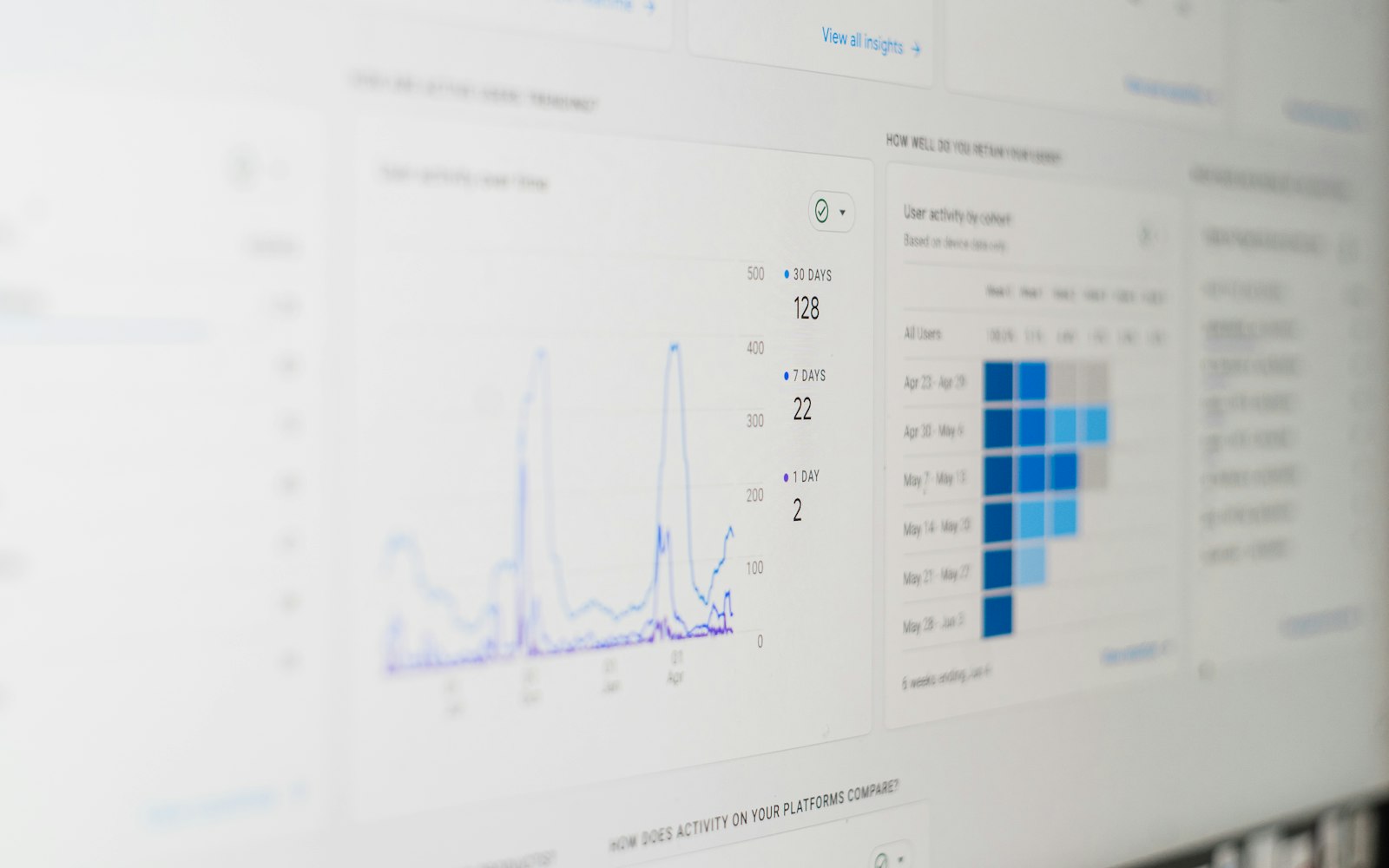
Watch the metrics that track the signals YouTube says it uses. These are the ones it has explained in its own Help Center.
| Metric | What it measures | What YouTube says |
|---|---|---|
| Impressions click-through rate | How often viewers watched after seeing your thumbnail. An impression counts when the thumbnail is shown for more than one second and at least 50% visible | Half of all channels and videos fall between 2% and 10%; Home traffic naturally lowers it |
| Average view duration | Average time viewers spent watching | Broadly, “absolute watch time is more important for longer videos” |
| Average percentage viewed | Average share of the video watched | Broadly, “relative watch time is more important for short videos” |
| Intro retention | Viewers still watching after 30 seconds | Shows whether the opening matched the title and thumbnail |
| New, casual and regular viewers | Who is watching for the first time, occasionally, or monthly for more than six months | Returning viewers make more recommendations likely |
| Engaged views | Clicks to watch, or watching past the first few seconds | Most analytics, including CTR, average view duration and retention, are based on it |
| Shown in feed and How many chose to view | For Shorts: feed appearances, and the share who watched instead of swiping | The first thing YouTube checks when it recommends a Short |
Impressions click-through rate (CTR) is the share of thumbnail impressions on YouTube that turned into views. It only counts impressions on YouTube itself, so traffic from external sites, end screens and notifications isn’t part of it.
Engaged views need extra care in 2026. From August 24, 2026, YouTube counts a public view from the first frame, across all formats, including autoplay on Home. The old definition lives on as the engaged view, which YouTube’s official blog defined on August 19, 2026, as “clicking to watch or watching past the initial seconds.” The same post said there was “no change to recommendations — the algorithm,” and that CTR, average view duration and retention are still calculated on engaged views. Public view counts will rise faster than before, but what the system reads hasn’t changed. Our guide to vetting YouTube creators explains what the change means when you compare channels, and our engagement rate formulas show how to measure audience response consistently.
What hasn’t YouTube told us?
Plenty. YouTube doesn’t publish the weight of any signal, the number of seconds behind an engaged view, or what counts as “significant changes” under its October 2026 originality update. Its most detailed statements about Shorts posting time and re-uploading come from a 2023 creator Q&A video rather than a Help page, and the clearest statement about separate Shorts and long-form watch history dates from 2022. Anyone who claims to know the exact formula is guessing; YouTube itself says the system “doesn’t operate off of a ‘recipe book.’”
What it has said is consistent: make videos your audience is glad they watched, package them honestly, and judge each one against your own recent work.
What to do next
If you’re starting a channel without appearing on camera, our guide to starting a faceless YouTube channel covers how to stay on the right side of the originality and mass-production rules above. When you’re close to earning, read the YouTube monetization requirements for 2026, then see how much YouTube pays per 1,000 views to set realistic expectations. And if you want to see channels that earn their recommendations by testing tools on screen, our list of AI tool reviewers on YouTube is a good place to study packaging and retention that work.
Frequently asked questions
- How does the YouTube algorithm work in 2026?
- There isn’t one algorithm. Separate systems rank videos for Home, Up Next, Search and the Shorts feed, and decide which notifications to send. YouTube says they aim for long-term viewer satisfaction and learn from over 80 billion signals, including clicks, watch time, likes, dislikes, “Not interested” feedback and satisfaction surveys. The system finds videos for each viewer rather than promoting channels.
- Does the time you post on YouTube matter?
- Not for long-term views, according to YouTube. Its performance FAQ says publish time “is not known to impact a video’s long-term performance.” Posting when your audience is active can help early views, and timing does matter for live streams and Premieres. YouTube also says growth in views isn’t correlated with time between uploads.
- How are YouTube Shorts recommended?
- YouTube looks first at whether viewers choose to watch a Short or swipe past it, then at average view duration and average percentage viewed, then at likes and post-watch surveys. The feed is personalised by the Shorts, channels, topics and sounds each viewer has enjoyed. On October 1, 2026, YouTube said it is updating Shorts recommendations to reduce reach for channels that mainly re-upload other creators’ videos without significant changes.
- Do YouTube Shorts hurt long-form views?
- YouTube says no. Its Help Center states that Shorts performance doesn’t negatively impact long-form recommendations and that Shorts “can help with audience discovery but can’t hurt your Video performance.” To send Shorts viewers to longer videos, add a related video link to your Short in YouTube Studio.
- What is a good click-through rate on YouTube?
- YouTube says half of all channels and videos have an impressions click-through rate between 2% and 10%. It varies by content, audience and traffic source, and it naturally falls when a video is shown widely on Home. Don’t chase it with clickbait: YouTube says clickbait videos tend to have low average view duration and are less likely to be recommended.
- Did YouTube’s August 2026 view count change affect the algorithm?
- No. From August 24, 2026, public views count from the first frame, but YouTube’s official blog said there was no change to recommendations. Click-through rate, average view duration and retention are still calculated on engaged views: clicks to watch, or watching past the first few seconds.
From the lists
- YouTube · AI tools
AI Tool Reviewers on YouTube Worth Following in 2026
21 YouTube creators who test AI tools on camera, show the real output and say when something doesn’t work. Each entry says why, with a video to start with.
21 creators · Reviewed
Read the list - YouTube · Shopify and ecommerce
Shopify Creators Who Teach Running a Real Store
21 creators who teach Shopify from the operator’s side: store setup, ads with real numbers, discounts, wholesale and theme code. No get-rich-quick pitches.
21 creators · Reviewed
Read the list
Keep reading
- How Much Does YouTube Pay Per 1,000 Views in 2026?YouTube has no fixed rate per 1,000 views. How RPM and CPM work, the 55% and 45% revenue shares, why Shorts pay less, and how to estimate your own earnings.Read
- YouTube Monetization Requirements 2026: How Many Subscribers?500 subscribers unlock fan funding, 1,000 unlock ad revenue. The 2026 YPP checklist, what counts toward watch hours, how review works and the 2027 changes.Read
Written by Joanna Finch, editor of Topfluencers. Spot a mistake? Email corrections@topfluencers.co and we’ll fix it within 48 hours.