- Creator interviews
- YouTube
- Kids content
Ms Rachel Interview Highlights: How She Built a Classroom on YouTube
Ms Rachel’s approach to toddler videos, drawn from her public interviews: speech techniques, research, her team, Netflix, toys and her plans for 2026.
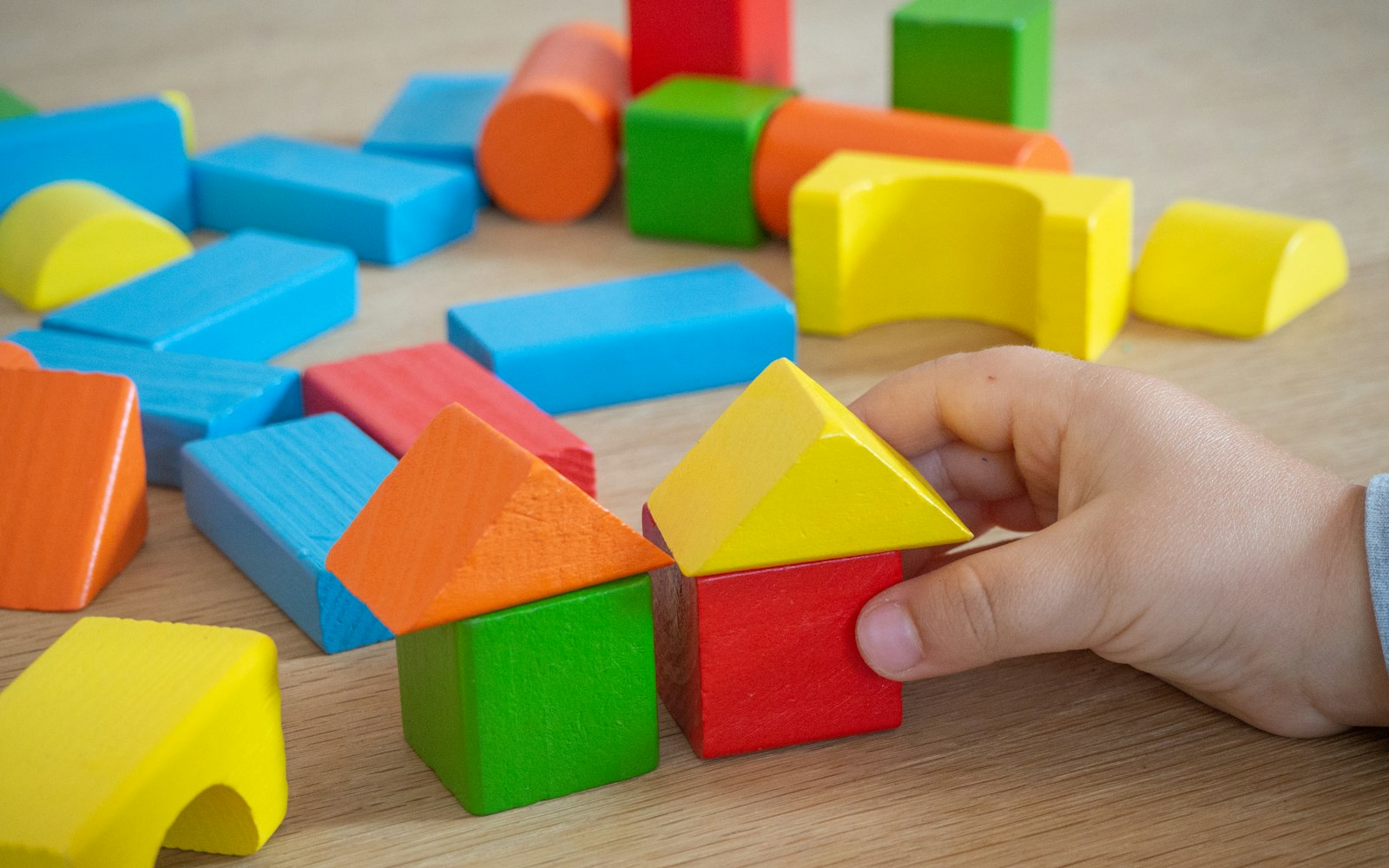
Ms Rachel (Rachel Griffin Accurso) says videos for toddlers should follow the research on how children learn to talk: speak slowly, clearly and with enthusiasm, and don’t change what works. She started in 2019 because her son had a speech delay, researches each topic before filming, and plans episodes from 20 years of working with children and parents’ feedback. Her rule as the show grew from YouTube to Netflix, toys and music: protect parents’ trust.
Ms Rachel’s videos are among the most-watched children’s programming anywhere, and they started with a phone propped on a stack of books. In interviews she keeps returning to a few ideas: use what research says about how toddlers learn to talk, let parents tell you what they need, and protect their trust.
This post is for creators making educational content, for marketers and toy or media companies weighing a partnership with a kids’ creator, and for parents curious about why their toddler responds to her. It covers how she started, the speech techniques behind the videos, how she plans and makes episodes, Netflix, toys, her advice for new creators and what she’s doing as of October 2026.
We’ve kept the focus on her work as a creator and educator. Every answer is dated, and where something only works at her scale, we say so.
Who is Ms Rachel?
Ms Rachel is the on-screen name of Rachel Griffin Accurso, an American children’s educator and YouTuber whose videos use songs, signing and play to help babies and toddlers learn first words and early skills.
Raised in Maine, she worked with children long before YouTube, including teaching music to refugee children through a Boys and Girls Club and teaching music at a public preschool in New York City. She holds master’s degrees in music education and early childhood education, and she and her husband, Aron Accurso, a Broadway music director, launched the channel as Songs for Littles in 2019. As of September 2026 the channel had more than 21 million followers, according to The Guardian, and its videos had passed 17.2 billion views, according to NPR.
| Fact | Detail |
|---|---|
| Real name | Rachel Anne Accurso (née Griffin), born November 30, 1982; raised in Maine |
| Platforms | YouTube (Ms Rachel – Toddler Learning Videos), Netflix, Instagram, TikTok |
| Started | First video, the counting song “Bubble, Bubble Pop!”, in February 2019, on the channel then called Songs for Littles |
| Co-creator | Her husband, Aron Accurso (“Mr. Aron”), who writes and arranges the music and plays the puppet Herbie |
| Known for | Slow, research-based songs and lessons for babies and toddlers: first words, signing, phonics, potty training |
| Businesses | Songs for Littles production; a Spin Master toy line (since 2024); books; Netflix licensing deal (2025); debut album I’m So Happy (2026) |
| Audience | More than 21 million YouTube followers, 5.5 million on Instagram and 11 million on TikTok (The Guardian, September 2026); more than 17.2 billion views (NPR, September 2026) |
| Recognition | Two Children’s and Family Emmy nominations (announced November 2025); a Streamy Award and a Kids’ Choice Award; honored at Glamour’s Women of the Year awards (2025) |
How did Ms Rachel get started?
“When he had a speech delay, I really got interested in language development and how I could use media to help with language development”
— Ms Rachel, CBS Mornings, January 2025
Their son had a speech delay at one, and there seemed to be few good videos to help toddlers learn to speak, The Guardian reported. The series drew on the techniques of his early-intervention speech therapist, according to Wikipedia. The first upload was a counting song, “Bubble, Bubble Pop!”, filmed in their apartment with her phone balanced on a stack of books. Aron told NPR they used a pop-up green screen and didn’t necessarily have a plan beyond picking a song and finding an ending.
“As a parent you want to do anything you can to help them and it’s not our fault when our child has a speech delay. A lot of things I teach are things I wish I had known for my son.”
— Ms Rachel, to NBC News, as quoted by TODAY, September 2024
Her son’s first word came at two years and eight months, she said in the same interview. The channel took off in 2020, when she was teaching on Zoom, Aron was home because theaters had closed, and parents were stuck at home with toddlers.
The lesson for creators isn’t that you need a personal story. It’s that she knew one viewer’s needs precisely, because she was the parent searching for the video that didn’t exist, and she had the training to make it.
What does Ms Rachel say works for toddlers on YouTube?
“The speaking is research-based. When you speak to a child naturally, actually, everywhere around the world you do slow down. … It’s amazing, it does help their language development to hear that slowed-down and enthusiastic tone.”
— Ms Rachel, on CBS Mornings, as quoted by Fortune, January 2025
Parentese is the slower, higher-pitched, sing-song way adults tend to speak to babies, and it’s the backbone of her delivery. A 2024 MyCentralJersey profile described her elongating vowels, repeating words, keeping sentences short and pretending she is talking to one child, which, the profile said, explains the one-to-one relationship each child feels with her. Upworthy, summarizing her TODAY interview, noted that she films close-ups of her mouth when she introduces a new word and pauses after a question so children can answer. She often reinforces lessons with American Sign Language, so children learn to sign a word as well as say it.
“The things that work, we don’t change. Research shows that when you’re trying to help your little one with speech, that talking in a slower voice and being enthusiastic and clear is going to be helpful.”
— Ms Rachel, YouTube Official Blog, February 2026
In the same interview, Aron said they aren’t chasing trends. That restraint is the point: her audience is still learning to process speech, so the pace is set by child development, not by the feed. For a contrast with how a big entertainment channel thinks about pacing, compare our MrBeast interview.
She hasn’t done it alone: the cast and crew have included a speech therapist who directs a preschool, a teacher, a diversity and inclusion consultant and Broadway performers, according to Wikipedia and the MyCentralJersey profile. She told The Guardian that a screen was a game changer for her son, who was too busy charging around to listen to her in person but focused when she taught him on a screen. Her website adds a plain limit: the videos are not a replacement for speech therapy, and little ones learn best through interactions with caregivers.
How does Ms Rachel decide what to make next?
“The 20 years I spent working with kids in person informs what we do, because I remember what they love or I remember what they struggled with. We also tackle things that we get feedback on from parents.”
— Ms Rachel, YouTube Official Blog, February 2026
The topics follow developmental milestones and parents’ requests. Potty training was the show’s most-requested topic, TODAY reported in 2025, and it became a full episode. Her book 100 First Words, she told CBS Mornings, is organized by usefulness rather than by nouns, so children learn words like “yes,” “no” and “more” that help them get through the day. With a toddler at home again, she told The Guardian she wants new material on boo-boos, another bath-time song and something about why it isn’t OK to hit.
“It almost feels like this live thing you’re creating with parents”
— Ms Rachel, The Guardian, September 2026
The early audience told them what they liked and wanted more of, and they still use parents’ feedback to refine the show. If you make educational content, treat comments as research data: count the requests and plan the next video around the most common need.
How does Ms Rachel make a video?
“I rigorously research because I really like understanding something on a really deep level before we tackle it. We pick what we know is going to help toddlers thrive and what’s gonna help parents with tricky situations and transitions.”
— Ms Rachel, YouTube Official Blog, February 2026
Aron described the rest of the process in the same interview. They pick a topic from what they want their own children to learn or what they struggled with as parents, Rachel researches best practices, and then they script, write a song, choose other songs, map it out on notecards and film. For the potty-training episode they brought in Broadway friends to perform and help with arranging, TODAY reported.
The output is deliberately small. The Toy Book counted 119 videos on the channel in January 2025, often featuring original music, choreography and puppetry, and called her approach quality over quantity. Aron said they keep approval over everything that goes out under the Ms Rachel name.
For a solo creator, the transferable part is the order: research, outline, song or hook, then film. It’s slower than chasing trends, but evergreen videos keep earning views; even her first clip has now been viewed 21 million times, The Guardian reported.
What mistakes does Ms Rachel say she made early on?
“Forever, I thought I was going to be replaced as the host … Once we had millions and millions of views I thought, oh, maybe a real TV place will get a real actor and see that this was a good concept.”
— Ms Rachel, The Guardian, September 2026
She doesn’t frame it as a list of mistakes, but she describes underestimating herself for years, feeling like a stand-in for a real, professional Ms Rachel. As the channel grew, executives offered to buy the company. She was wary of how little interest they showed in the educational side, and Aron kept reminding her that she didn’t need their expertise, she told The Guardian.
The lesson is about ownership rather than polish: the host, the method and the audience’s trust were the asset. If a buyer is more interested in your audience than in what makes the work good for it, slow down before you sign.
How did Ms Rachel get from YouTube to Netflix?
“We didn’t know that toddler TV could be big business”
— Ms Rachel, The Guardian, September 2026
Netflix started streaming Ms Rachel on January 27, 2025, with four 30- to 60-minute episodes compiled from existing YouTube videos, in English with subtitles in 33 other languages, Fortune reported. It was the seventh most-watched Netflix series in the first half of 2025, with 53.4 million views, and the most-watched season of any children’s show, even though only four episodes, averaging 45 minutes, were available, according to TheWrap. Netflix’s Ted Sarandos called her an example of a creator who “clearly works on Netflix.” A second season followed in September 2025.
Netflix licensed the episodes rather than buying the show: TheWrap reported in January 2025 that it is still produced independently through the couple’s company, Songs for Littles. By September 2026 it had been streamed more than 69 million times, The Guardian reported. The couple told the paper that their wealth is nowhere near the figures circulating online, and that most profits go back into the company.
The model is worth noting: a well-made back catalog can become a streaming show without new production, and licensing keeps the channel and the decisions in your hands.
What does Ms Rachel say about working with brands?
“Making my toys accessible was such an important priority from the start. … With my show, I’m able to reach so many children, and I wanted the toys to be equally within reach.”
— Ms Rachel, The Toy Book, January 2025
Her biggest brand relationship is a licensed toy line with Spin Master, after one of its executives found the videos while on family leave. The line came together in less than a year and reached stores in fall 2024. People reported that the toys were designed with development experts and come with learning cards whose QR codes link to videos Rachel and Aron made for parents. Demand was high: Spin Master’s CEO told The Canadian Press it was Walmart’s most successful toy presale ever, and knock-offs soon followed.
“We’re very careful because we really value parents’ trust.”
— Ms Rachel, YouTube Official Blog, February 2026
Aron put it more bluntly: every business or content decision is judged by what’s best for children. In practice that has meant 2025 additions priced under $35 each, according to The Bump, and free printables for families who don’t buy the $19.99 Surprise Learning Box, The Toy Book reported.
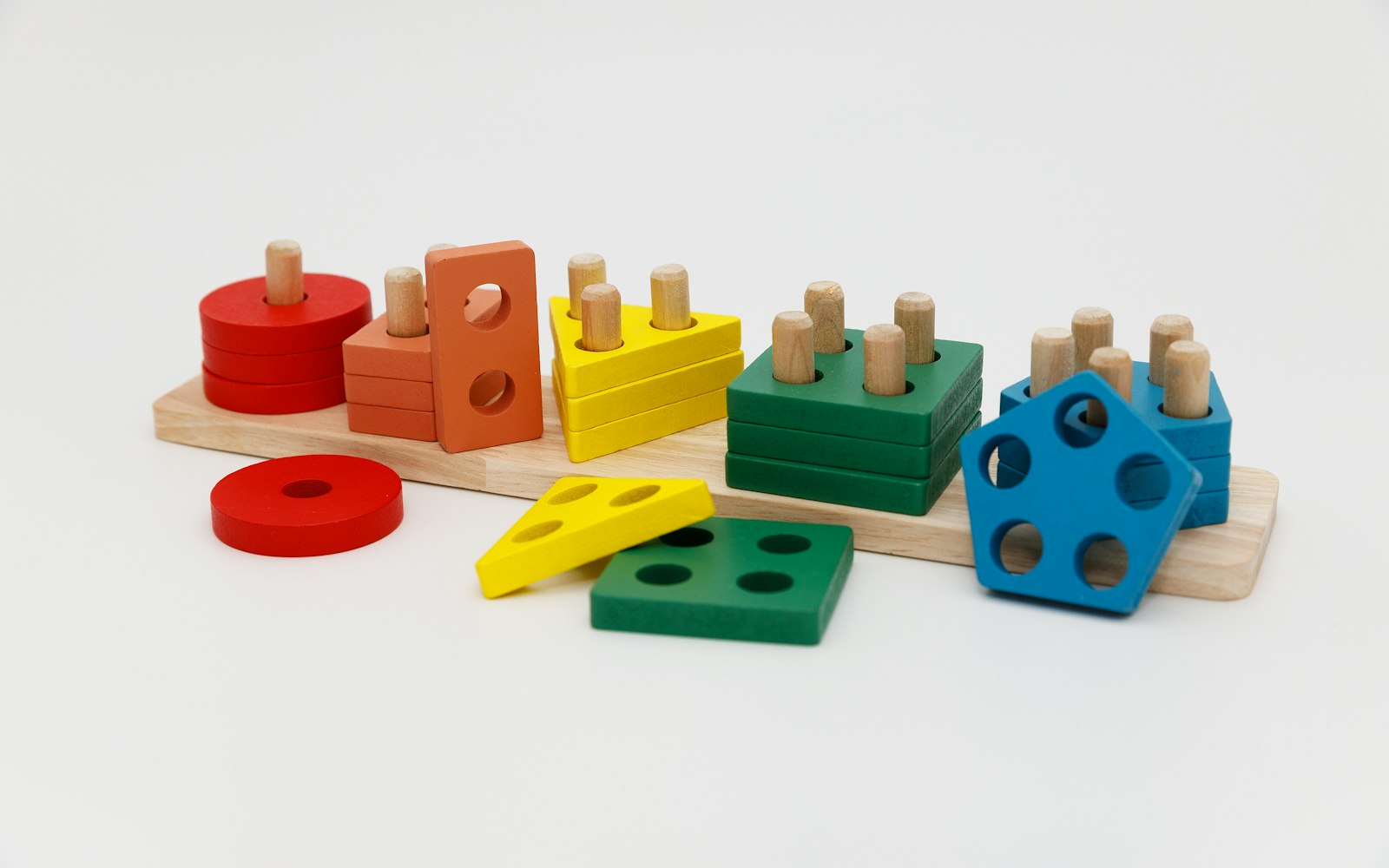
Brands approaching a children’s creator should expect the same filter: is this good for the child, and will parents trust it? Our checklist on how to vet a YouTube creator covers what to ask before any partnership.
What advice does Ms Rachel give new creators?
“We hope it inspires other people as well, who want to create something and really are committed to making something valuable for kids. As they say, if you imagine it, you can create it.”
— Ms Rachel, YouTube Official Blog, February 2026
Speaking about their Emmy nominations, Aron said independent creators don’t need a massive infrastructure: if you care deeply and work hard, you can reach people in a meaningful way. Rachel told The Guardian that part of their success came from spotting an untapped demand for educational videos for toddlers, then letting early viewers shape the show.
“Media can be beneficial for kids, we just need to take it seriously and do the best we can to make it wonderful for kids and their families”
— Ms Rachel, CBS Mornings, January 2025
She credits Mister Rogers as an inspiration. Her advice adds up to three habits: find a real need you’re qualified to meet, do the homework before you film, and keep the audience’s interests ahead of the business. For other creators who built educational channels, compare our Hank Green interview and our Mark Rober interview.
What is Ms Rachel working on now?
As of October 2026, the focus is music. The couple’s debut album, I’m So Happy, came out on September 25, 2026, with 23 songs, and debuted at No. 16 on the Billboard 200 for the week of October 10. The Guardian called it Aron’s passion project: instead of following business advice to rush out their most popular YouTube songs, he worked with 19 singers, 42 instrumentalists and the orchestrator Michael Starobin.
“And we think kids deserve rich thought-out music, and we love putting real instruments in, and maybe a kid at home is like, wow, the cello. Maybe I could do that.”
— Ms Rachel, NPR, September 2026
The show has also earned its first two Children’s and Family Emmy nominations, announced in November 2025, for best preschool, children’s or family viewing series and best writing in a preschool or children’s series, according to The Hollywood Reporter. Looking ahead, the couple told the YouTube Official Blog they had talked about a movie, more albums and maybe a live performance someday.
What creators can learn from Ms Rachel
| Lesson | What Ms Rachel said | How to apply it |
|---|---|---|
| Start from a need you know | She started because her son had a speech delay and the right videos didn’t exist (2024–2026) | Write down the exact viewer you’re serving and the problem no current video solves for them |
| Let the audience set the pace | Slow, clear, enthusiastic speech helps toddlers learn, so she doesn’t change what works (2025–2026) | Match pacing to how your audience learns, not to what’s trending on the platform |
| Research before you film | She researches each topic deeply before scripting (2026) | Add a research step, with sources, to every video plan |
| Build with your audience | Parents’ feedback shapes the show, which she calls something created live with them (2026) | Tag and count viewer requests, and plan around the most common need |
| Protect trust | She says the team is careful because they value parents’ trust (2026) | Turn down deals you couldn’t explain to your audience |
| Make products that last | She wanted toys that were affordable and within reach (2025) | Price for your audience and give non-buyers a free way to join in |
| Keep ownership | Executives offered to buy the company, but the show stayed independent and was licensed to Netflix (2025–2026) | Prefer licensing deals that leave your channel and format in your hands |
Sources
- Why Ms. Rachel’s baby learning videos are lifesavers to parents, MyCentralJersey (via AOL), April 2024
- Mom couldn’t find show for kids with delays so she made one, Upworthy, August 2024
- Ms. Rachel designed her new toys to ‘grow’ with your child, People (via AOL), August 2024
- Storytime just got more interesting: Ms. Rachel’s books are here, TODAY, September 2024
- Ms. Rachel, Paw Patrol to fuel Spin Master sales, The Canadian Press via BNN Bloomberg, December 2024
- Toys for Littles: Ms. Rachel gets a warm welcome to the toy aisle, The Toy Book, January 2025
- YouTube’s Ms. Rachel takes on first words and potty training in new books, CBS News (CBS Mornings), January 2025
- ‘Ms. Rachel’ is coming to Netflix, TheWrap, January 2025
- YouTube star Ms. Rachel scores a deal with Netflix, Fortune, January 2025
- Ms. Rachel shares her secret formula, Fortune (quoting CBS Mornings), January 2025
- Ms. Rachel and Mr. Aron on their new baby and ‘potty talk’ episode, TODAY, May 2025
- Ms. Rachel talks development myths and her new toy line, The Bump, July 2025
- ‘Ms. Rachel’ was 7th most-watched show on Netflix in first half of 2025, TheWrap, July 2025
- What we watched the first half of 2025, Netflix, July 2025
- Children’s and Family Emmy nominations: Ms. Rachel scores first nods, The Hollywood Reporter, November 2025
- From the living room to the Emmys: Ms. Rachel and Mr. Aron, YouTube Official Blog, February 2026
- Ms. Rachel has entered her album era, and she is so happy about it, NPR (transcript), September 2026
- Ms Rachel, the controversial queen of toddler TV, The Guardian, September 2026
- Billboard 200, week of October 10, 2026, Billboard, October 2026
- Ms. Rachel, Wikipedia, October 2026
- Ms. Rachel official site, msrachel.com, October 2026
What to do next
If Ms Rachel’s research-first approach appeals to you, study how the most trusted creators in your own niche handle pacing, sources and sponsors. Our creator lists are a starting point, and our methodology explains why we judge creators on what they publish now rather than on lifetime subscriber counts.
For more answers to the same interview questions from other creators, browse the series on the Topfluencers blog.
Frequently asked questions
- How did Ms Rachel get started?
- Ms Rachel, whose real name is Rachel Griffin Accurso, started her YouTube channel, then called Songs for Littles, in 2019 with her husband, Aron Accurso, after their son was diagnosed with a speech delay and they found few good videos to help toddlers learn to talk. A former preschool music teacher with master’s degrees in music education and early childhood education, she filmed the first video on a phone propped on a stack of books.
- Why does Ms Rachel talk so slowly in her videos?
- Ms Rachel says her slow, enthusiastic way of speaking is research-based. She told CBS Mornings in January 2025 that adults everywhere naturally slow down when they talk to babies, and that a slowed-down, enthusiastic tone helps language development. In a February 2026 interview with the YouTube Official Blog, she said research shows a slower, clear and enthusiastic voice helps children with speech, so the team doesn’t change what works.
- Who makes the Ms Rachel videos?
- Ms Rachel and her husband, Aron Accurso, a Broadway music director, make the show together. Aron writes and arranges the music and plays the puppet Herbie, and the cast and crew have included a speech therapist, a teacher and Broadway performers. Rachel researches each topic first, then the couple scripts the episode, writes songs, maps it out on notecards and films, they told the YouTube Official Blog in 2026.
- Is Ms Rachel on Netflix?
- Yes. Netflix began streaming Ms Rachel on January 27, 2025, with four episodes compiled from her existing YouTube videos, in English with subtitles in 33 other languages. It was the seventh most-watched Netflix series of the first half of 2025, with 53.4 million views, according to TheWrap, and a second season followed in September 2025. The show is still produced independently by the couple’s company, Songs for Littles.
- What is Ms Rachel’s advice for educational creators?
- Ms Rachel says she hopes her success inspires people who are committed to making something valuable for kids, and that media can help children if creators take it seriously. Her husband, Aron Accurso, told the YouTube Official Blog in 2026 that independent creators don’t need a massive infrastructure if they care deeply and work hard. She also credits spotting an untapped niche and letting early viewers’ feedback shape the show.
- What is Ms Rachel doing in 2026?
- As of October 2026, Ms Rachel and Aron Accurso have released their debut album, I’m So Happy, a 23-song collection that came out on September 25 and debuted at No. 16 on the Billboard 200. The show also earned its first two Children’s and Family Emmy nominations, and the couple have talked about a movie, more albums and a possible live performance. The channel had more than 21 million YouTube followers in September 2026.
From the lists
Keep reading
- MrBeast Interview Highlights: His Rules for Viral YouTube VideosMrBeast’s rules for viral YouTube videos, drawn from his public interviews: clicks, retention, thumbnails, reinvesting, his team and Beast Industries.Read
- Marques Brownlee (MKBHD) Interview: How He Keeps Viewers’ TrustMarques Brownlee (MKBHD) on trust, honest reviews, brand deals, Panels and advice for new creators, drawn from his public interviews, podcasts and posts.Read
Written by Joanna Finch, editor of Topfluencers. Spot a mistake? Email corrections@topfluencers.co and we’ll fix it within 48 hours.